Clarity
"It all starts with a Daily Checkup"
The brief was not one message for one person. It was a system of needs that had to hold together.
Case study / Thrive Mental Wellbeing
A clinically credible service needed a more coherent way to speak to employers, customers and the people seeking support. I helped turn that challenge into a creative system people could use.
Follow the journey

Thrive had a clinically credible service with a meaningful purpose, but its value was not always communicated consistently across the customer journey.
Need commercial clarity.
Need a repeatable way to launch and promote.
Need safe, relevant and accessible guidance.
Very broad audienceInternally, clinical accuracy, customer requirements and commercial urgency all needed to be reconciled without weakening the brand or slowing delivery.
The opportunity was larger than refreshing individual assets. Thrive needed a clearer creative direction and a practical communication system that could work across audiences.
"It all starts with a Daily Checkup"
The brief was not one message for one person. It was a system of needs that had to hold together.
I established four principles to guide the work.
Mental-health communication needed warmth and emotional intelligence, but it could not appear casual or make unsupported promises. The work used recognisable experiences, direct language and considered imagery to help people see relevance without feeling labelled.
The service needed to retain the authority of its clinical foundation while avoiding the coldness and distance common in healthcare communication. Information was structured around the user's situation and next action rather than professional terminology.
Complex and sensitive information was given a clear hierarchy, concise language and an appropriate format. Simplification never came at the expense of accuracy, safeguarding or the meaning of clinical guidance.
The creative direction had to work beyond the design team. Reusable structures, templates and guidance enabled colleagues across Marketing, Sales, Clinical and Customer Success to deliver stronger communications with greater independence.
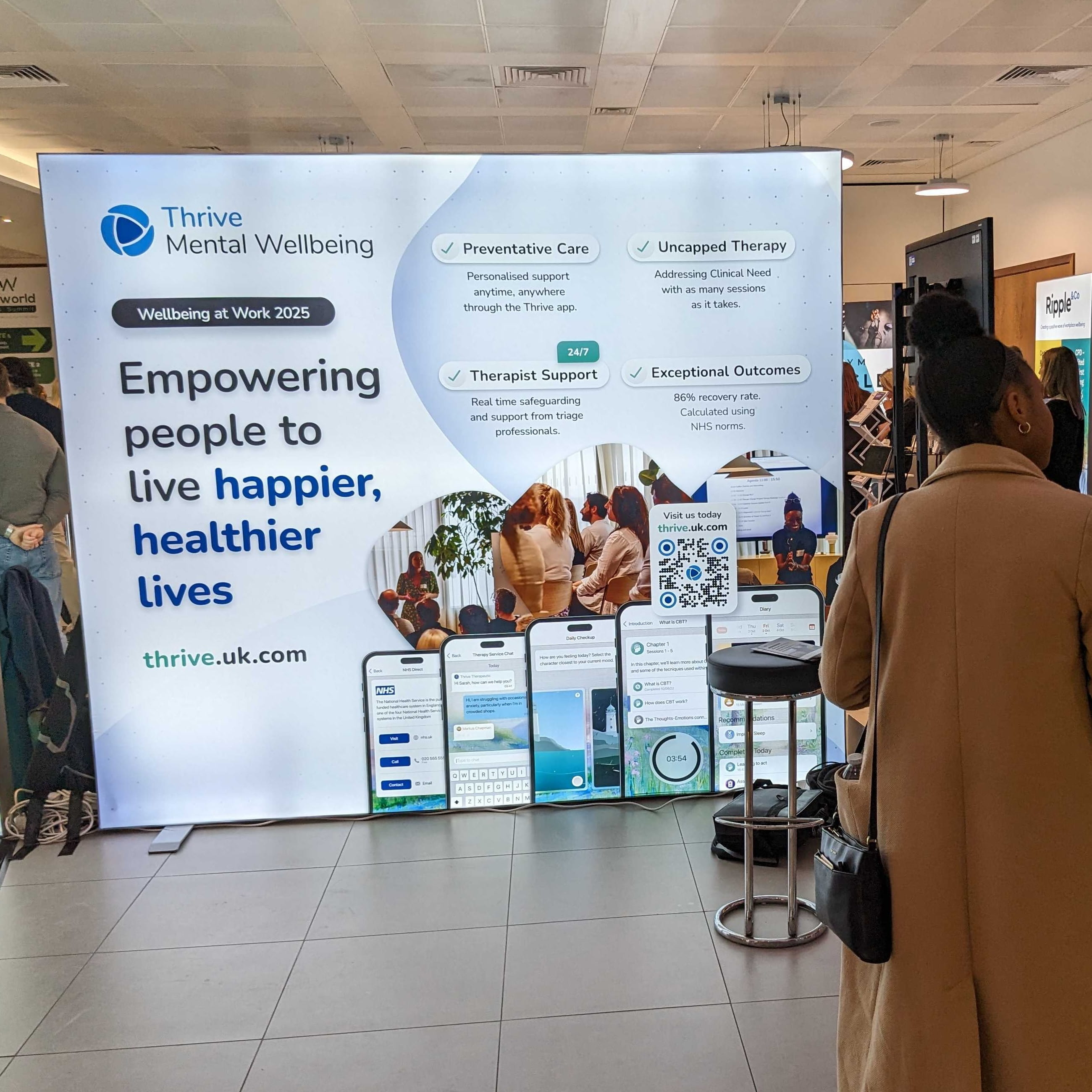
The direction had to live in the things people used: customer launch tools, employee-facing campaigns, marketing materials, clinical product journeys and the system behind them.
I helped refine the brand around a clearer core message: mental-health support should feel human, credible and relevant to everyday life. That focus shaped the organic social presence and gave the wider marketing programme a more consistent voice.
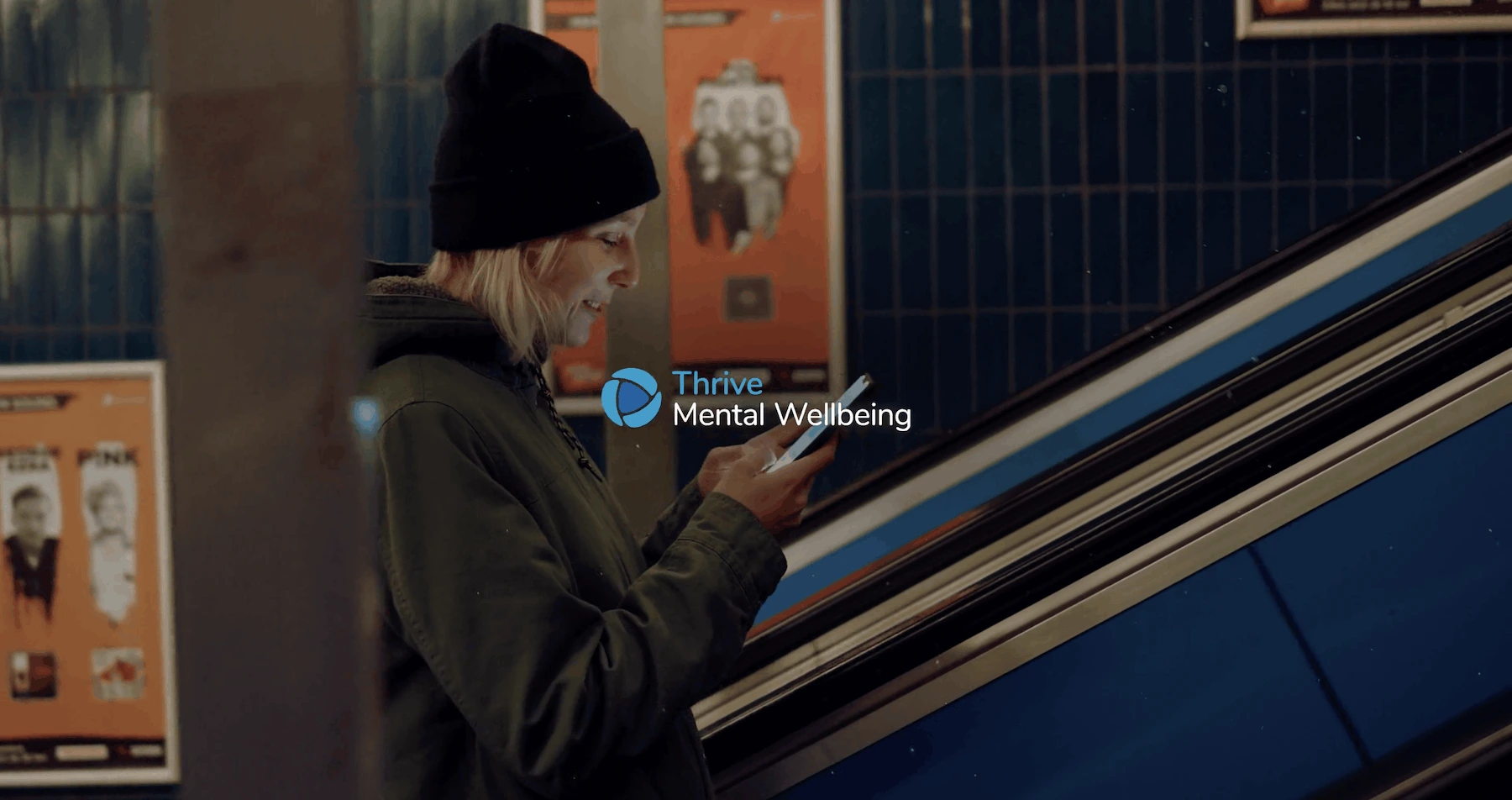
Promotional content included A Day in Their Shoes, a short-film series following people through their daily lives, exploring the struggles they encounter and the ways they find greater stability in their mental health. Founder videos added another personal perspective, connecting the purpose of the service with the people building it.
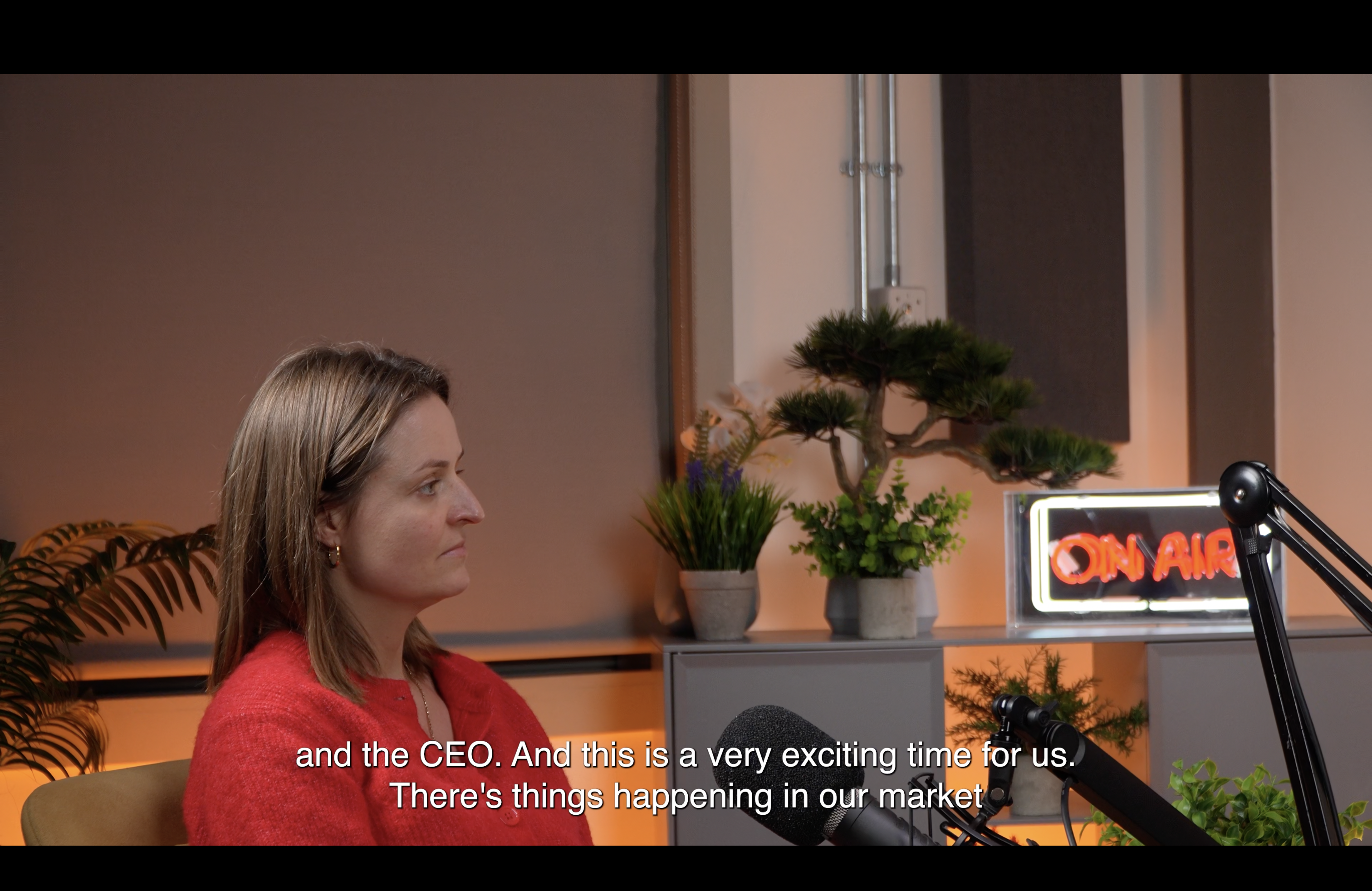
The programme also included regular, hour-long Thrive webinars responding to current market themes with industry experts, alongside a new podcast, It’s Okay to Say. Candid conversations with Thrive clinicians about their experiences of therapy helped make TMW feel more personal and introduced the thoughtful, compassionate people behind the service.


THE CHALLENGE
Making mental health support available does not mean employees will use it. People may not know Thrive exists, understand what it offers or remember it when they need support. Meanwhile, customer teams were spending significant time assembling launch communications, adapting assets and deciding what to say next.
THE RESPONSE
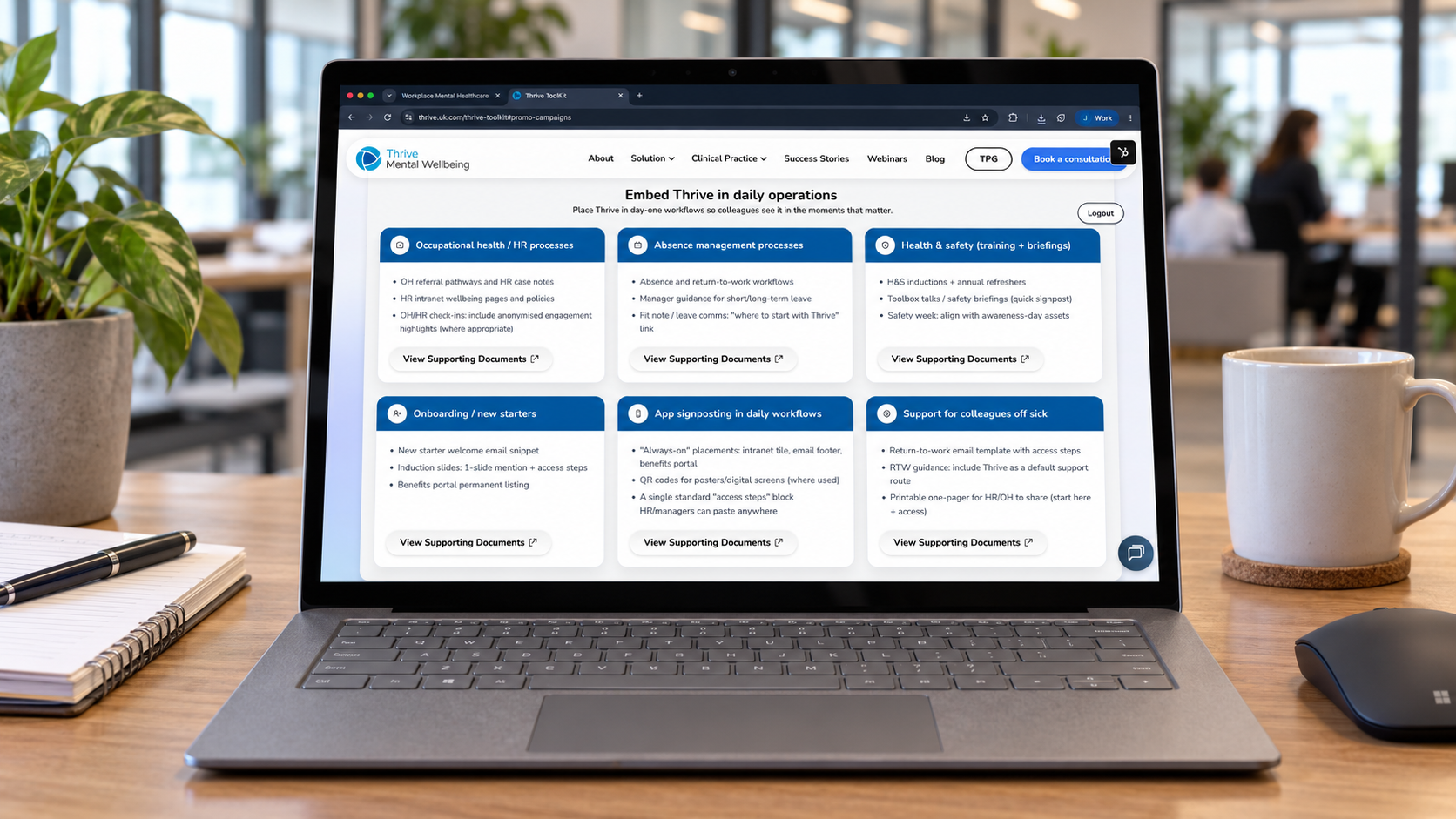
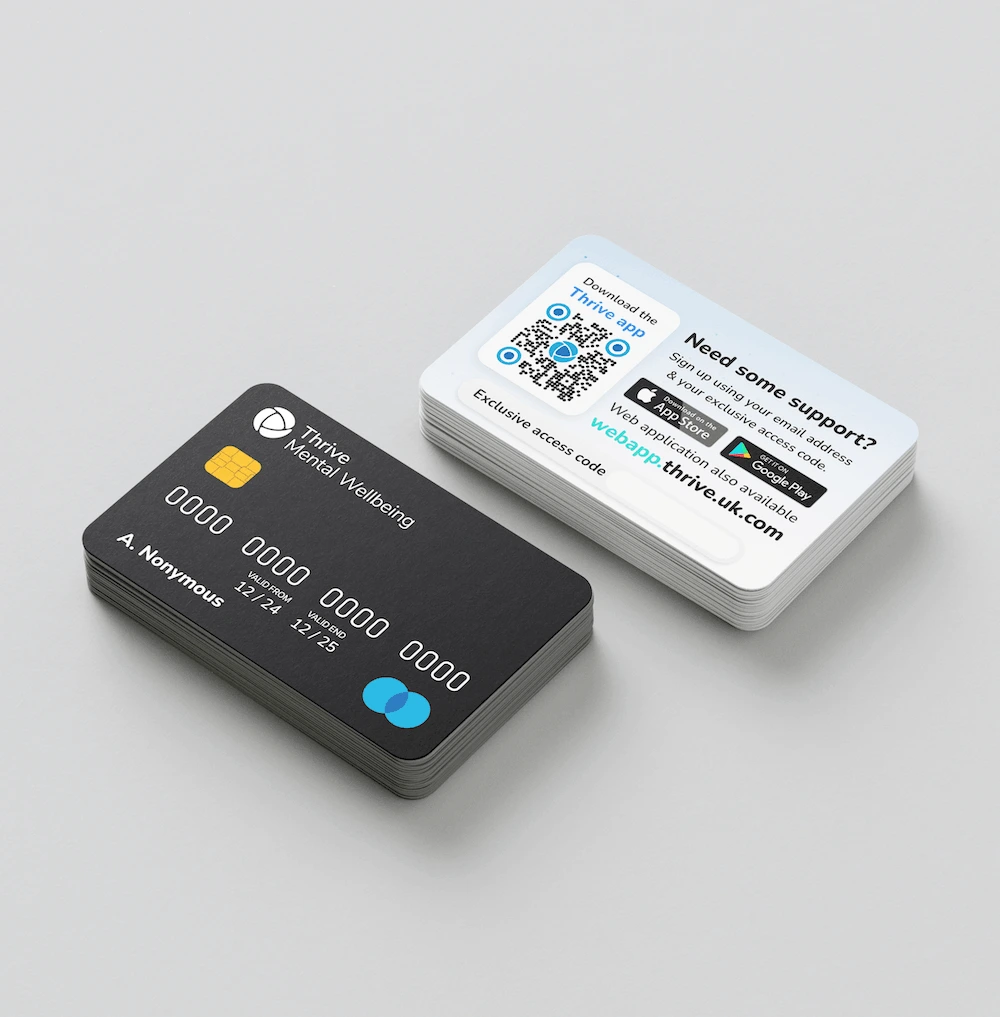
I designed the Thrive Promotion Guide as a structured customer-enablement experience. It brings launch planning, ready-to-use communications, downloadable assets and ongoing campaign guidance into one connected service—giving HR, wellbeing and internal communications teams a clear route from preparation to promotion.
THE PURPOSE
The aim was not to create another resource library. The guide organises content around what customers need to accomplish: launch Thrive clearly, maintain awareness after rollout and embed the service into everyday organisational processes. Personalised content, progress tracking and direct CSM support reduce effort and make each next step clear.




Awareness creates the opening. Deployment makes the service usable. The communication still has to work when a person actually needs support.
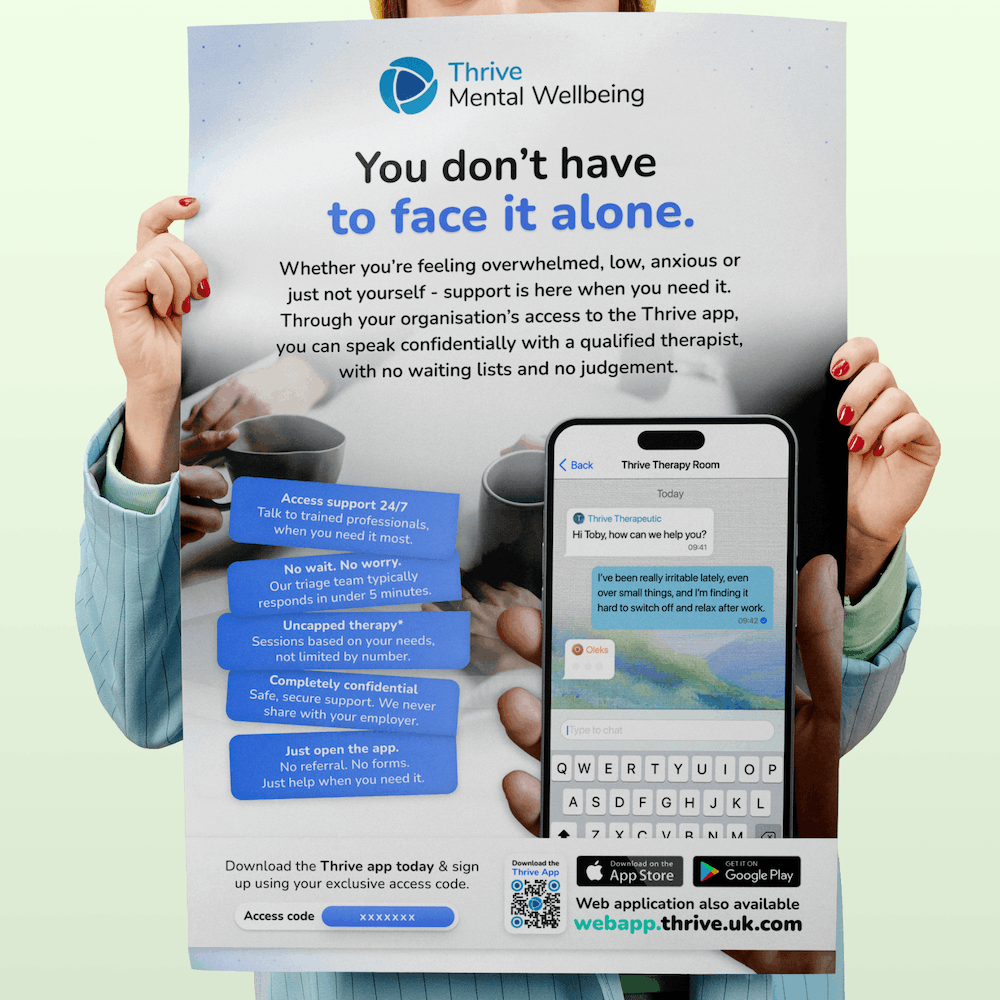
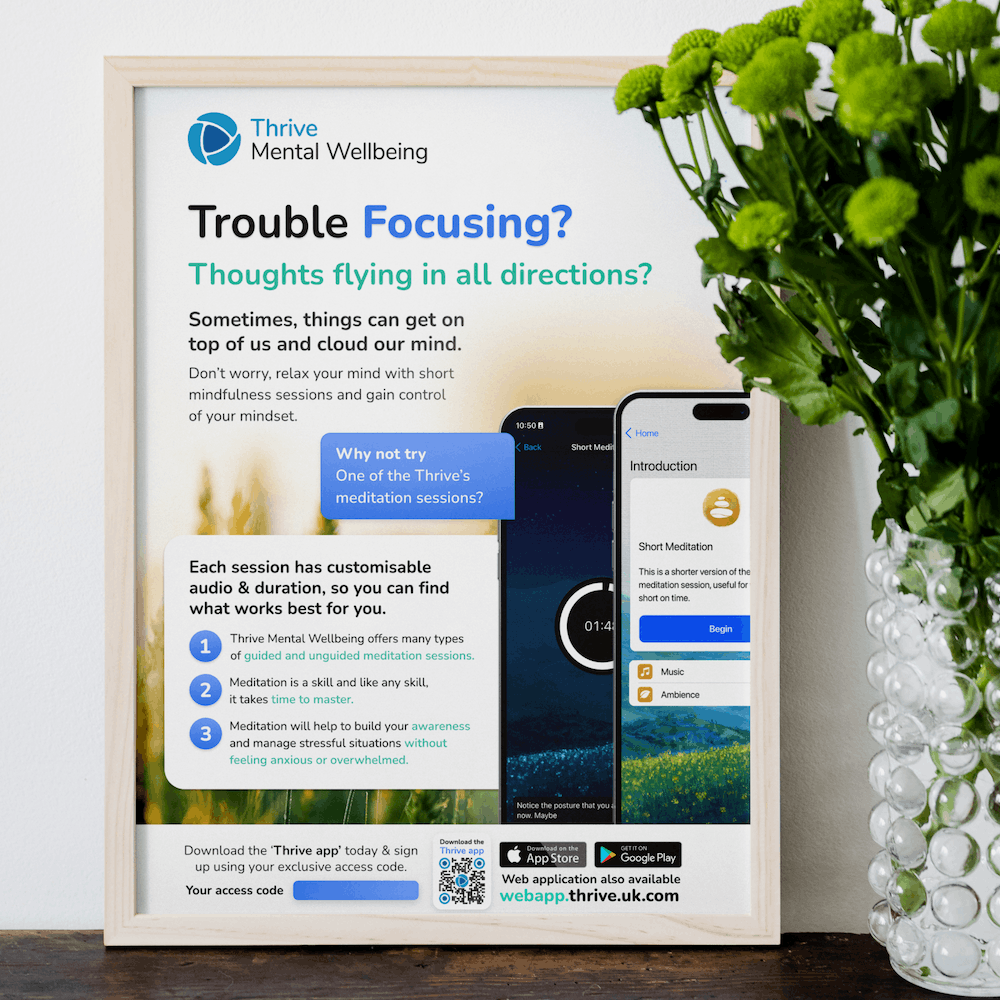
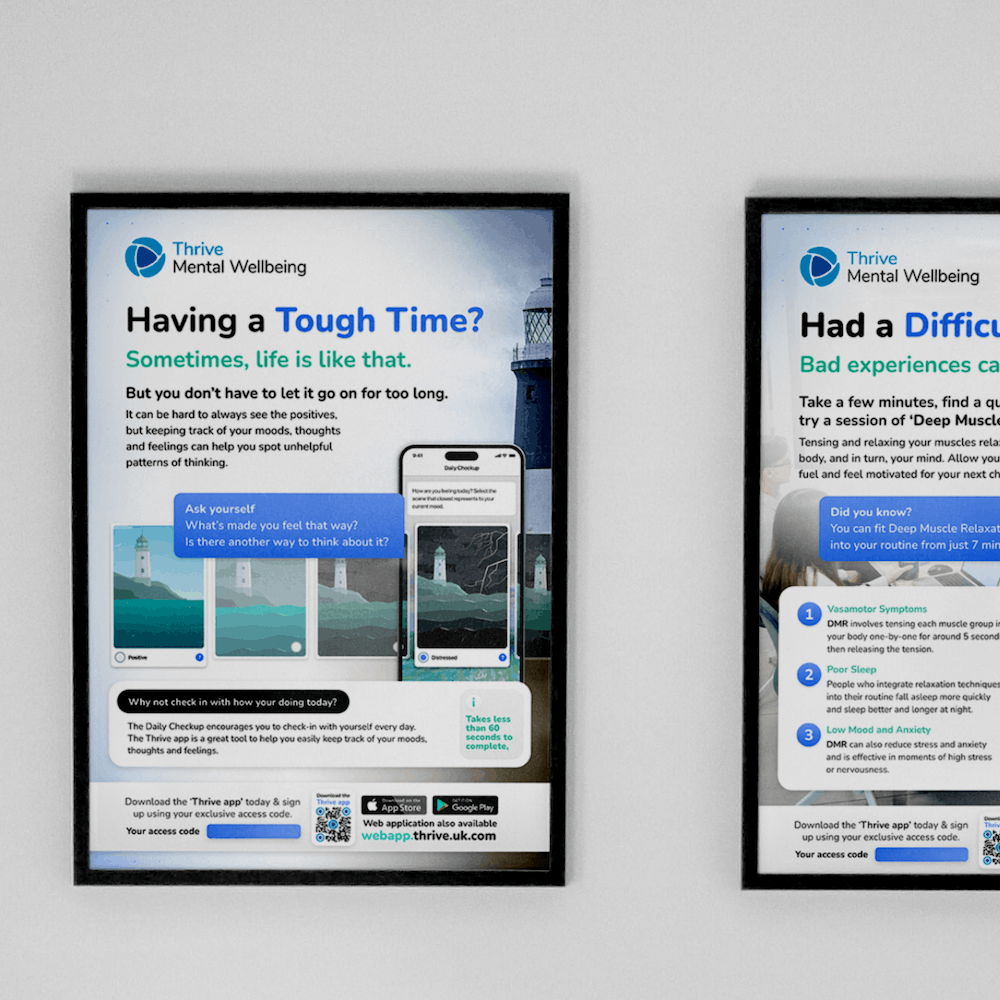
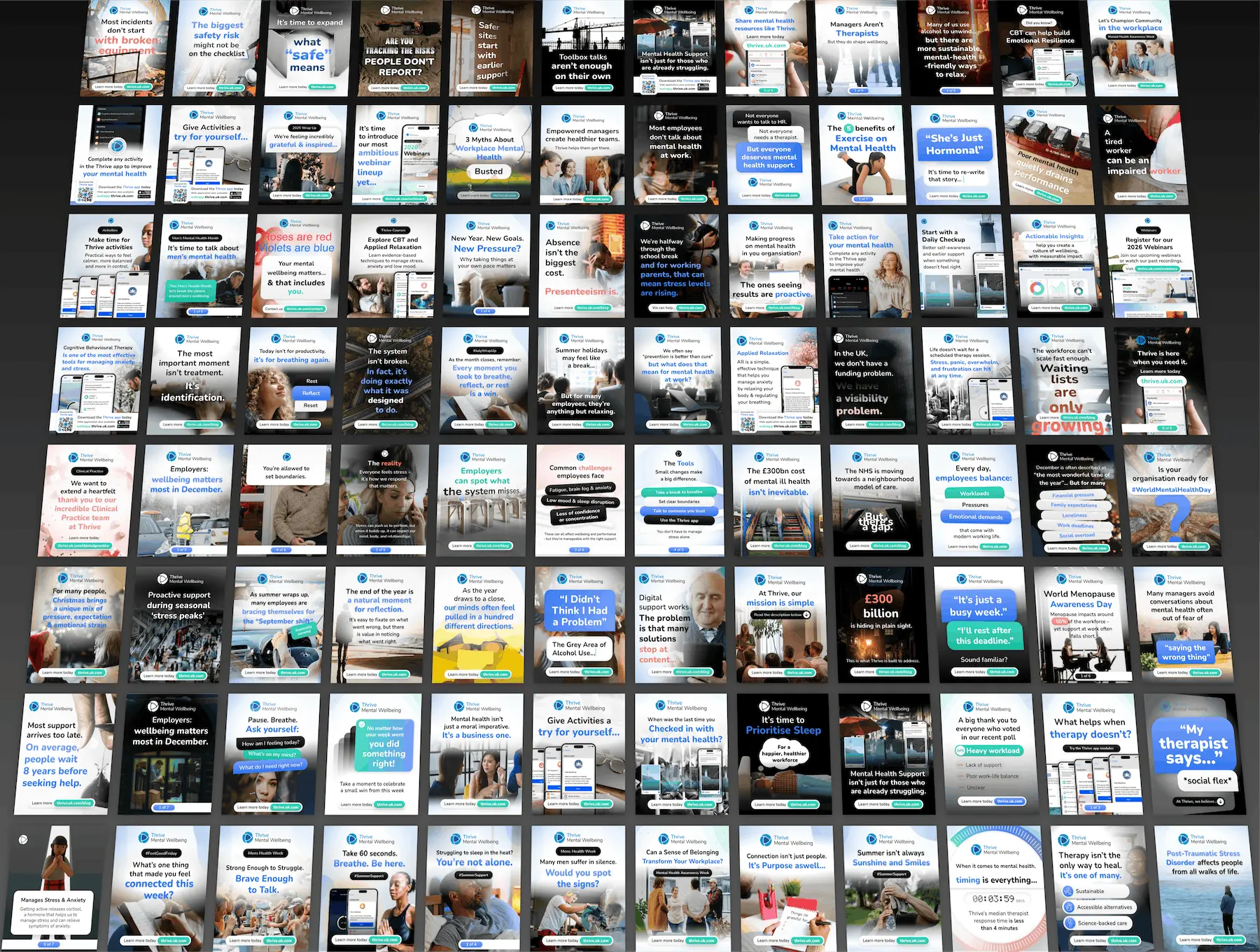
Employee-facing work needed to attract attention without sensationalising mental health or relying on diagnostic language. I developed communications around recognisable moments and practical actions, connecting everyday experiences with relevant support inside the Thrive service.
The approach was applied across digital campaigns, printed materials, customer communications, social content and webinars. It created a more consistent relationship between the brand promise and the help available within the product.


I worked with clinical specialists and product stakeholders to communicate areas including CBT, Applied Relaxation, screening journeys, goals, reminders and engagement features.
The challenge was to make each feature understandable at the moment it became relevant without overwhelming the user or weakening the clinical meaning. I used consistent hierarchy, plain language and modular visual patterns so that related tools felt part of one service rather than a collection of disconnected features.

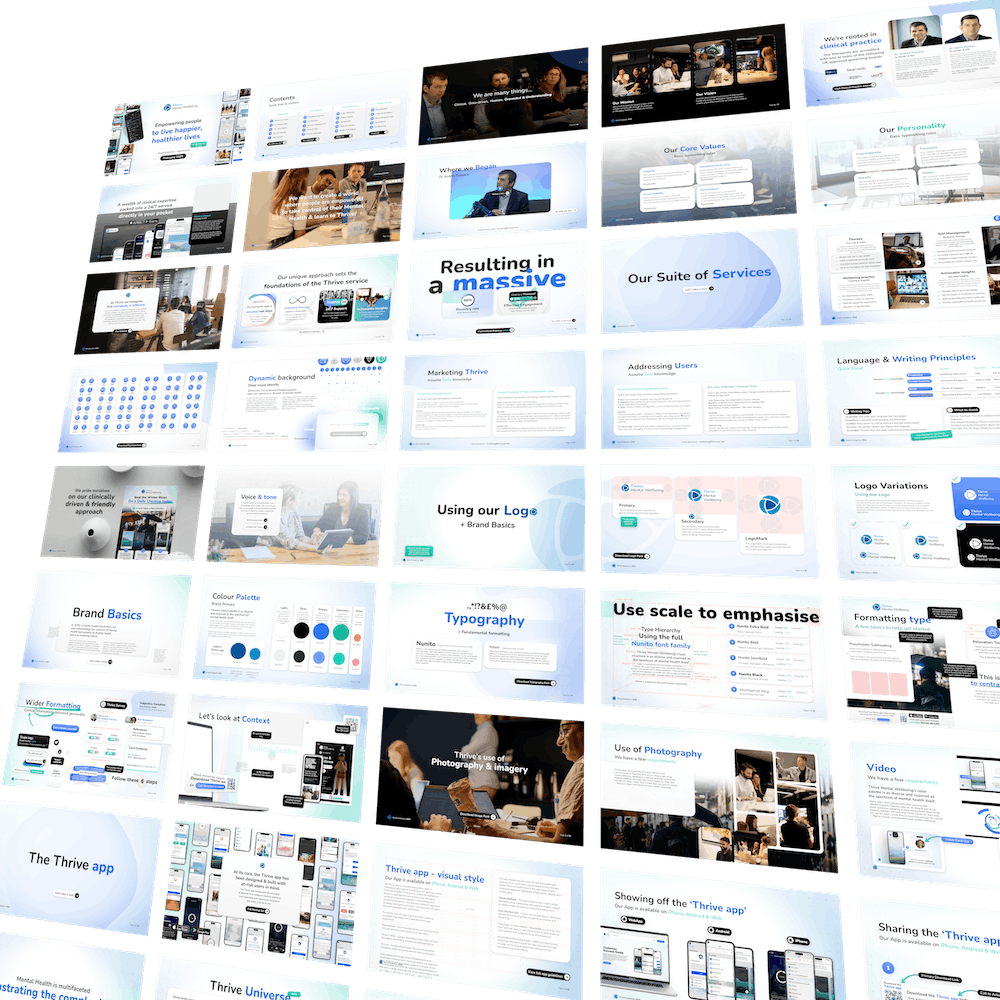
Alongside campaign and product work, I developed reusable templates, asset libraries and creative standards for teams producing customer and commercial communications.
This improved consistency across channels while reducing reliance on the design function for routine output. It also allowed more time to be focused on briefs where strategic or creative input would make the greatest difference.
The system was informed by stakeholder feedback, website analytics, content performance and recurring customer needs. It continued to evolve as the service, audience and commercial priorities changed.

Thrive's marketing function generated more than £1 million in marketing-qualified sales pipeline during the most recent calendar year. My work contributed to that team-level result.
The work reinforced that clarity in healthcare is not simply a matter of reducing the number of words. It requires understanding the action someone needs to take, the confidence they need in order to take it and the risks created by either ambiguity or oversimplification.
The most effective outcome was therefore not a single campaign or visual asset. It was a more coherent system that allowed Thrive to communicate with greater consistency while remaining clinically responsible, commercially useful and recognisably human.